September 21, 2026
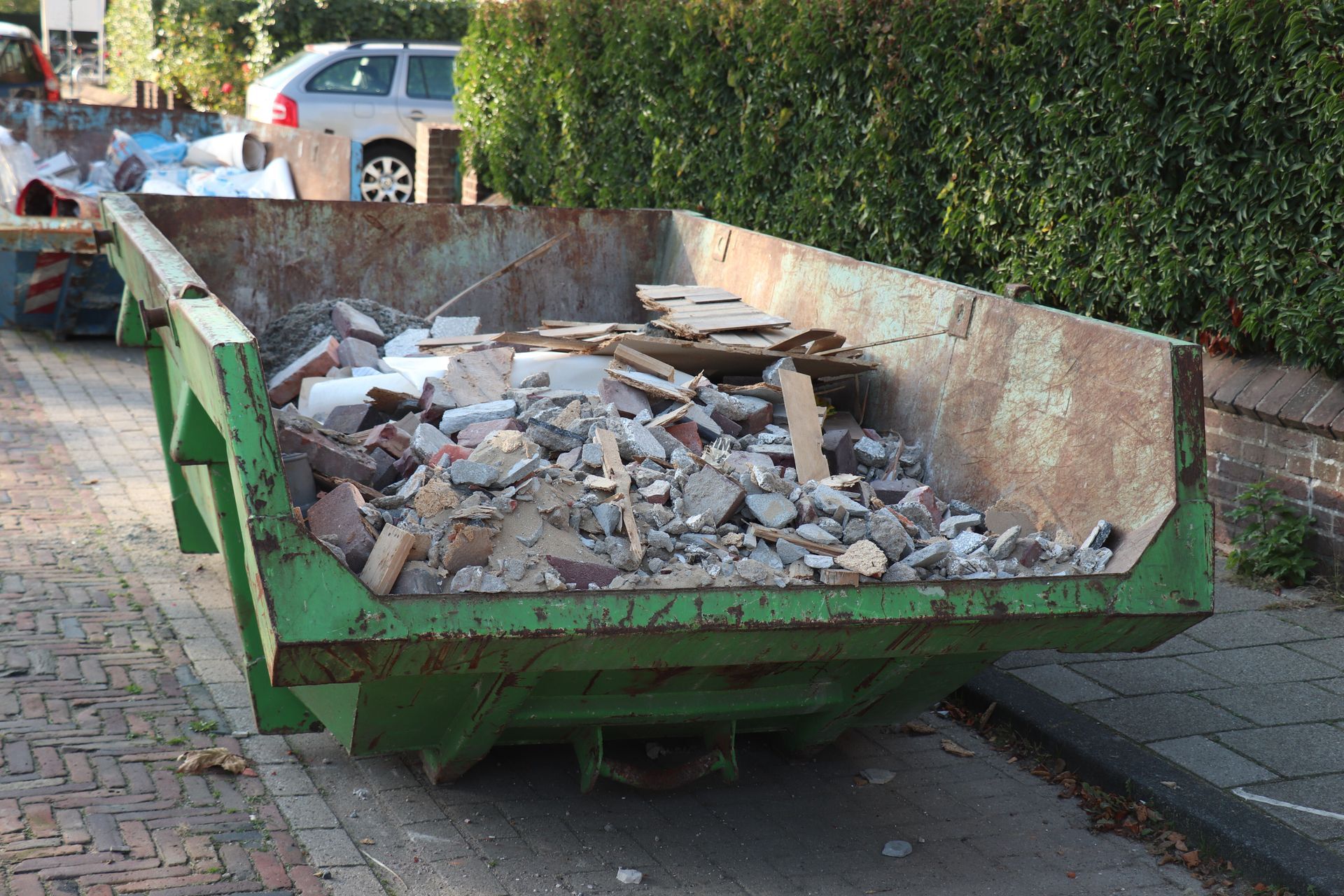
Construction projects generate waste quickly, from broken concrete and discarded lumber to packaging, drywall, roofing materials, and scrap metal. Without a designated place to collect debris, job sites can become crowded, inefficient, and harder to keep safe. Local dumpster rentals give contractors a practical way to manage this material as work progresses.
For contractors, the value of a dumpster extends beyond simply having somewhere to throw debris. The right container, delivery schedule, rental period, and disposal plan can help keep crews productive while supporting a more organized approach to cleanup. Understanding what to expect before the dumpster arrives can also make the rental process easier to coordinate with the rest of the project.
Planning Dumpster Service Around the Construction Schedule
Estimating Waste Volume and Choosing a Size
The first step is determining how much material the project is likely to generate. Contractors should consider the scope of demolition, the amount of new construction, the materials being removed, and whether debris will accumulate steadily or all at once. A dumpster that is too small can require an additional container or an early exchange, while an unnecessarily large container can increase costs without providing a practical benefit.
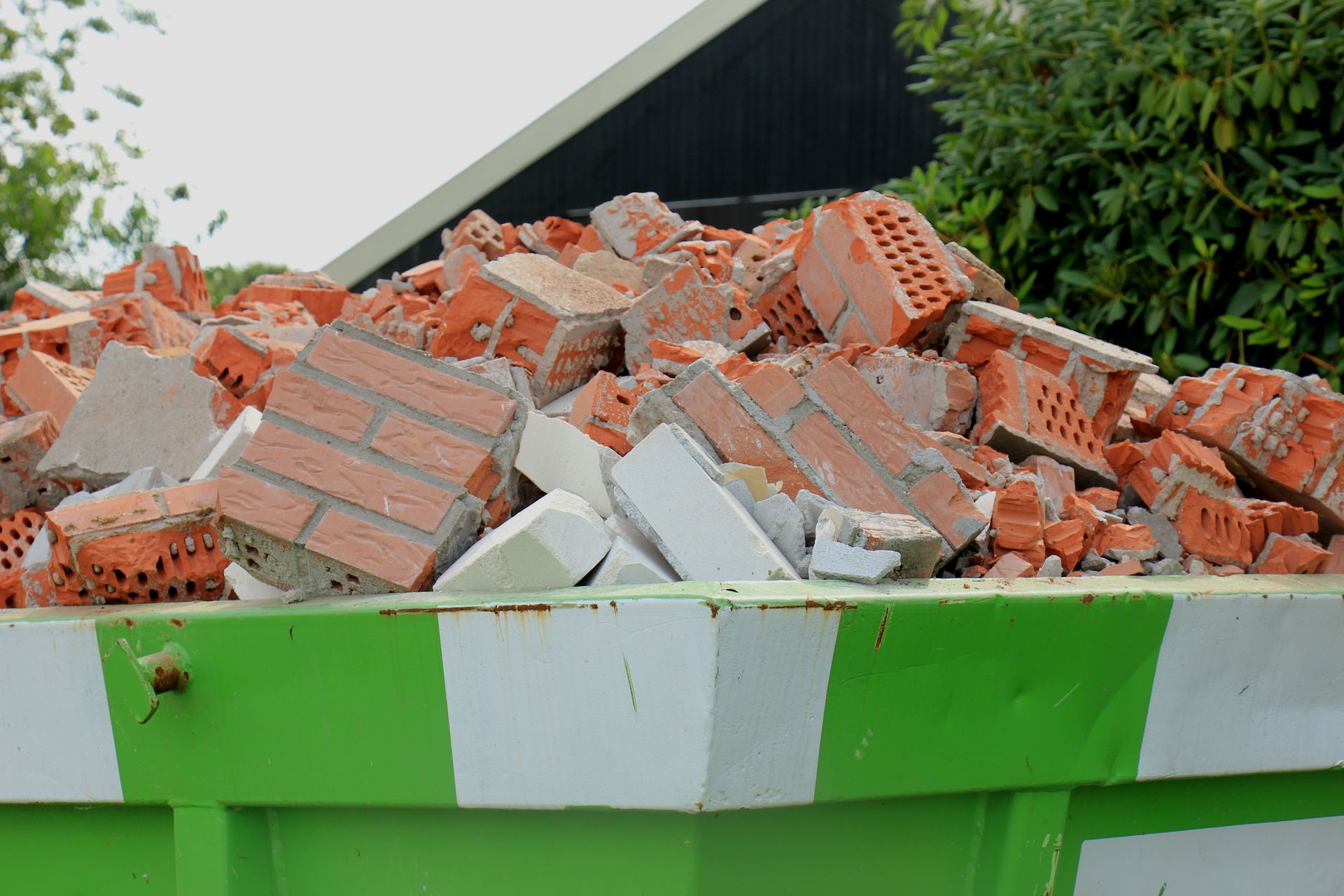
According to Fixr, large-scale cleanup or demolition work may require a dumpster measuring at least 30 yards to accommodate the resulting waste. This illustrates why contractors should evaluate the overall volume of debris rather than selecting a container based only on the size of the building or work area.
Coordinating Delivery With Crews
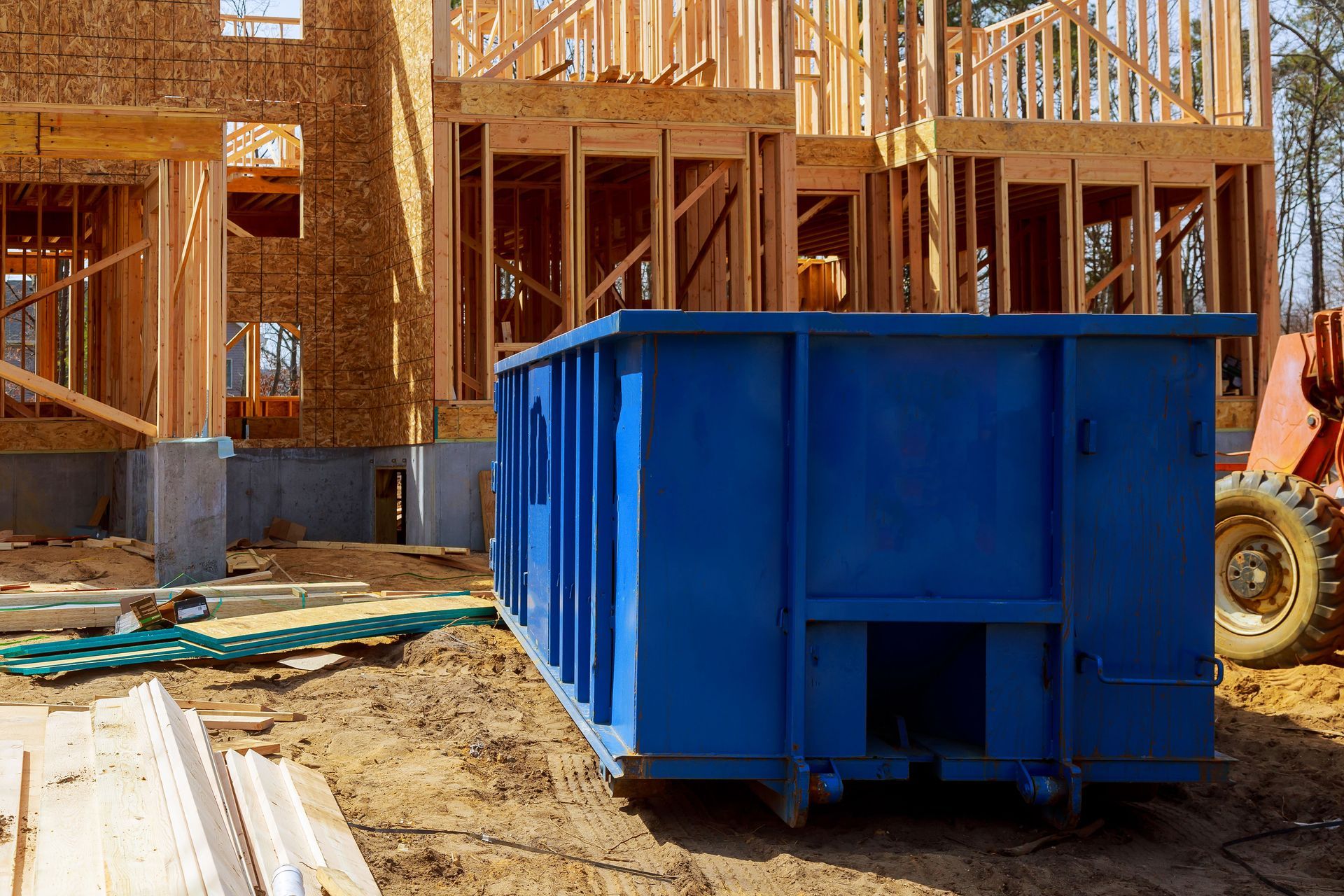
Dumpsters should be scheduled so the container is available when demolition, framing, roofing, remodeling, or another debris-producing phase begins. Having the dumpster delivered too early can take up valuable space on a crowded site, while receiving it too late can leave crews without an efficient disposal method.
Contractors should also consider where the dumpster will be placed. The location needs to be accessible to the delivery vehicle while remaining clear of equipment, material storage areas, entrances, and active work zones. A well-positioned container can reduce unnecessary carrying and help workers move debris out of the work area more efficiently.
Understanding Rental Periods
Construction schedules can change because of weather, inspections, material delays, subcontractor availability, or unexpected site conditions. Before booking local dumpster rentals, contractors should understand how long the container can remain on-site and what options are available if the project takes longer than expected.
A standard rental period may be sufficient for a short demolition or cleanup, while a larger construction project may require additional time. Contractors should communicate anticipated project dates when scheduling service and ask about extension policies, pickup procedures, and potential additional charges. Clear expectations make it easier to keep waste removal aligned with the construction schedule.
Managing Debris Efficiently on the Job Site
Maintaining a Cleaner Work Area
Once the dumpster is delivered, crews should establish a consistent process for moving debris into the container. Keeping waste contained instead of allowing piles to form around the site can make walking paths easier to maintain and reduce clutter around tools, materials, and equipment.
Local dumpster rentals can support this process by providing a centralized collection point. Contractors can designate where different types of debris should be gathered before disposal, allowing workers to maintain a more orderly site throughout each stage of construction. Regular cleanup can also prevent a large accumulation of waste at the end of the workday.
Handling Different Construction Materials
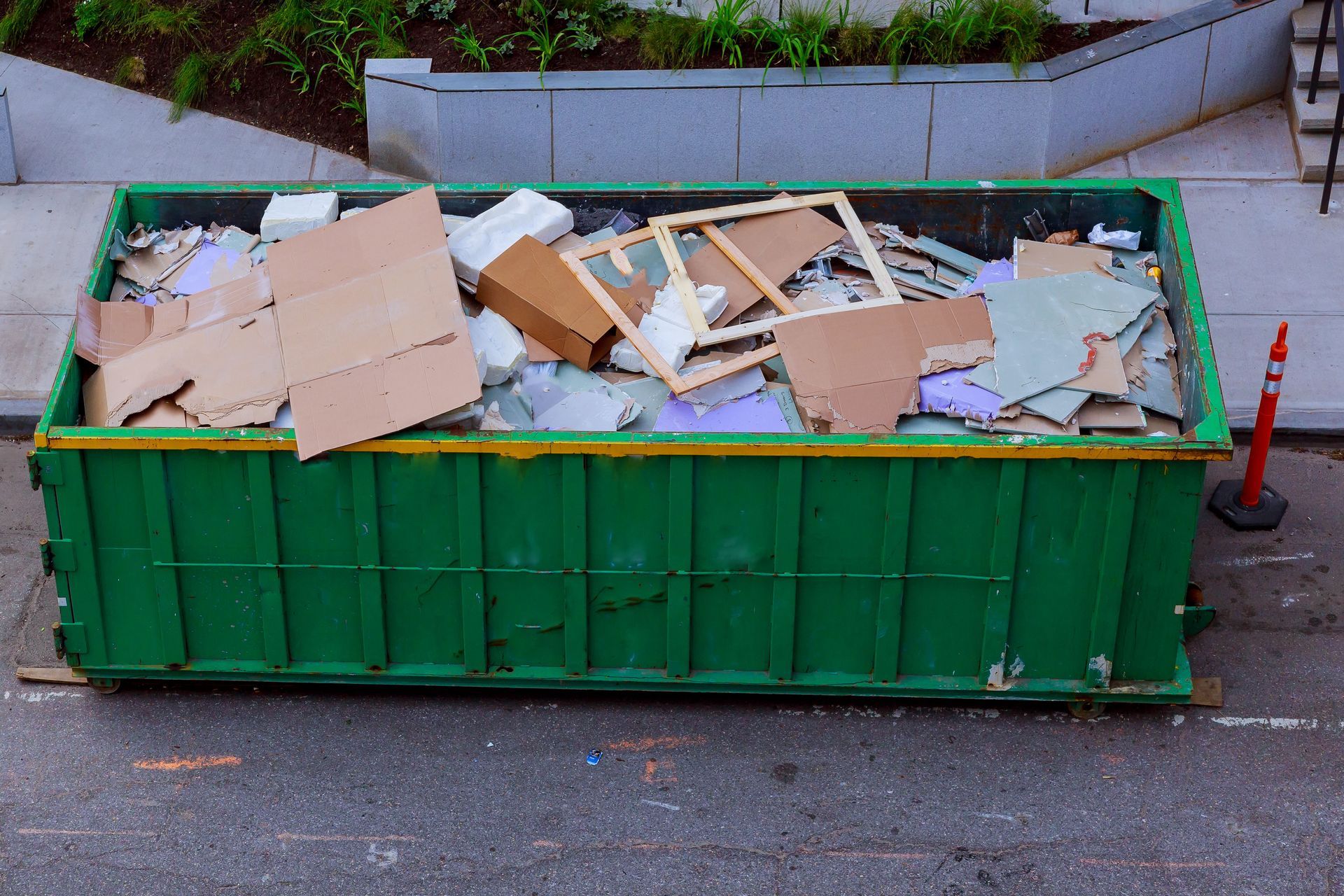
Construction dumpsters may receive a wide range of materials, but contractors should confirm accepted waste types before loading the container. Common construction debris can include wood, drywall, roofing materials, packaging, concrete, metal, and other nonhazardous materials. Certain items, such as chemicals, batteries, tires, or other restricted materials, may require separate disposal methods.
Separating recyclable materials when practical can also improve waste management. Contractors who generate substantial amounts of metal may benefit from discussing recycling options with their dumpster provider. A provider with experience in metal recycling can help identify opportunities to divert appropriate materials from general disposal while supporting responsible handling.
Loading the Dumpster Properly
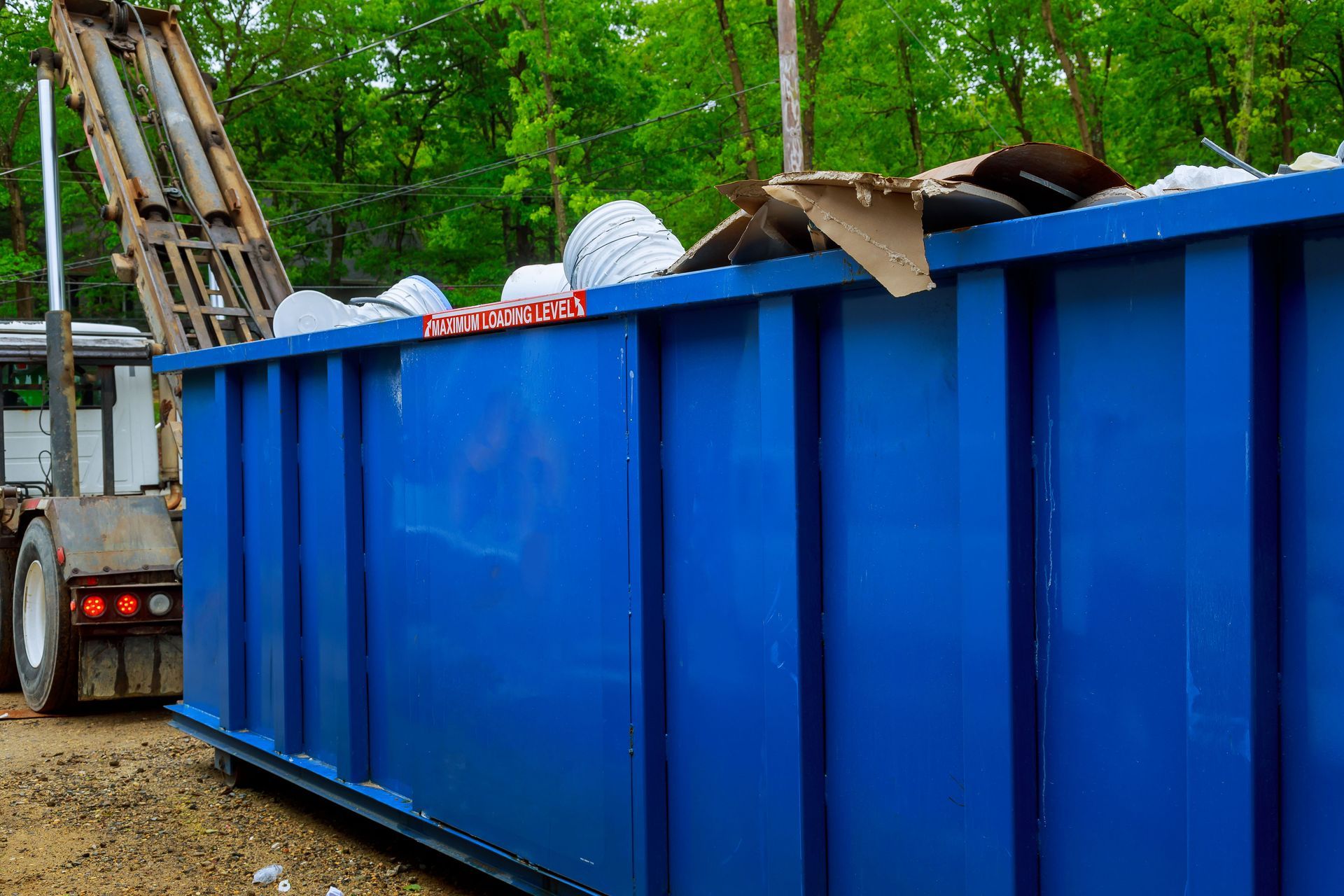
How a dumpster is loaded can affect both safety and efficiency. Heavy materials should be distributed rather than concentrated in one area, and debris should remain inside the container without being piled above the permitted fill level. Contractors should also avoid placing prohibited materials in the dumpster, even if those items are generated during the same project.
Local dumpster rentals work best when crews understand the provider's loading requirements before work begins. Reviewing weight limits, prohibited materials, fill restrictions, and pickup expectations with the crew can help prevent delays and additional charges. It also gives project managers a clear process for handling debris consistently across the job site.
Knowing What to Expect From Your Dumpster Provider
Reliable Delivery and Pickup
Contractors depend on predictable waste removal to keep projects moving. A delayed delivery can interfere with demolition or cleanup, while a missed pickup can leave a full container occupying valuable space. Local dumpster rentals should therefore be coordinated around the project's expected waste generation and major construction milestones.
When scheduling service, contractors should confirm the delivery date, pickup process, placement requirements, and communication procedures. A provider that offers dependable scheduling and on-time service can make waste management easier to integrate into a busy construction operation. Clear coordination is especially important when several trades are working on the same site.
Transparent Pricing and Estimates
Cost is another factor contractors should address before the dumpster arrives. Rental pricing may depend on the container size, rental duration, disposal location, type of material, and weight of the load. Understanding these factors in advance helps project managers budget for waste removal and avoid unexpected expenses.
Local dumpster rentals can be easier to manage when the provider gives a clear estimate and explains applicable fees before service begins. Contractors should ask whether there are charges for exceeding weight limits, extending the rental period, requesting an additional pickup, or disposing of certain materials. Transparent pricing allows waste management costs to be incorporated more accurately into the overall project budget.
Support for Project-Specific Needs
Every construction project has different waste patterns. A small renovation may generate debris over several days, while a demolition project can produce a large volume of material in a short period. Contractors may also need service that accommodates restricted site access, changing schedules, or specific recycling requirements.
Experienced providers can help contractors evaluate these variables and select a service arrangement that fits the job. Local dumpster rentals may be especially useful when contractors need responsive service from a provider familiar with the area's requirements. Discussing the project scope, expected debris, placement area, and timeline before delivery allows both parties to identify potential issues early.
For many contractors, waste removal is closely tied to productivity, safety, and the ability to maintain an orderly site. Planning this part of the job early can reduce interruptions and make each construction phase easier to manage. A well-planned dumpster rental can become an important part of a contractor's overall site management strategy. With the right container and a clear disposal process, crews can spend less time dealing with scattered debris and more time completing productive construction work.
Before renting, contractors should evaluate the expected debris volume, confirm which materials are accepted, choose a practical placement area, and review the rental terms. They should also establish procedures for loading the container and communicating pickup or extension needs. With these details addressed in advance, local dumpster rentals can provide a straightforward way to keep construction waste contained, organized, and ready for proper disposal throughout the project. Contact American Pride Dumpster Rentals today to schedule reliable dumpster service for your next construction project!