March 21, 2026
The process of cleaning up, whether after a major home renovation, a seasonal decluttering, or a large community event, often generates more waste than conventional disposal methods can accommodate. For projects that produce significant debris, dumpster rental provides a practical solution. By placing a large, temporary container on-site, you gain the ability to efficiently collect and manage waste, reducing the need for repeated trips to disposal facilities. This approach can save time, simplify logistics, and provide a sense of control over the cleanup process. Understanding how dumpster rental works is crucial to making the service work effectively for your specific needs.
Dumpster rental involves more than simply ordering a container; it requires assessing the type and volume of waste, evaluating project timelines, and coordinating logistics for delivery and pickup. From home improvement projects to commercial renovations, having the right container and service plan can prevent disruptions and unnecessary costs. By considering factors such as dumpster size, rental duration, local regulations, and waste types, you can optimize your cleanup strategy. This guide will explore all these components, offering practical insights and tips for making dumpster rental a smooth and efficient part of any project.
Understanding Dumpster Rental
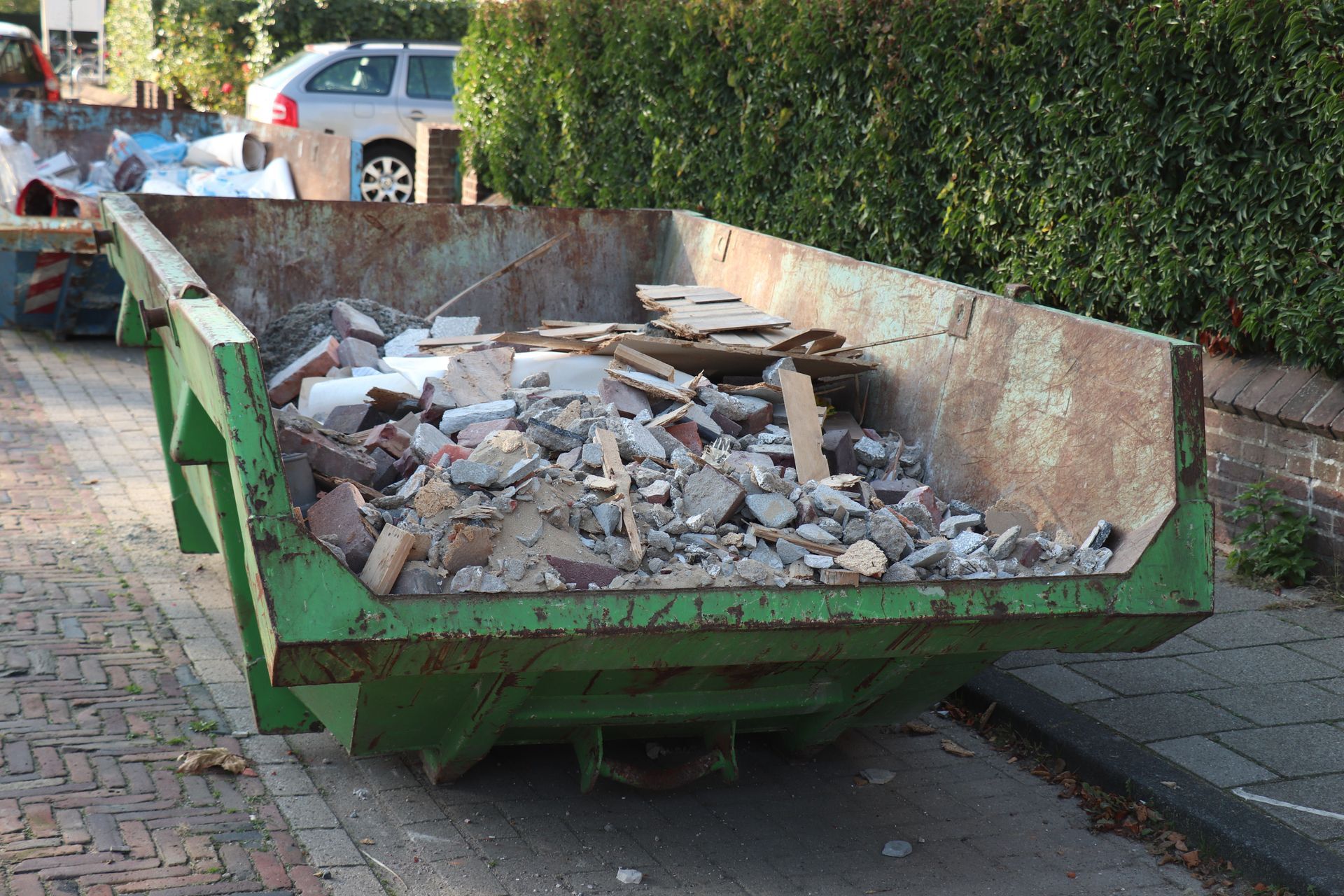
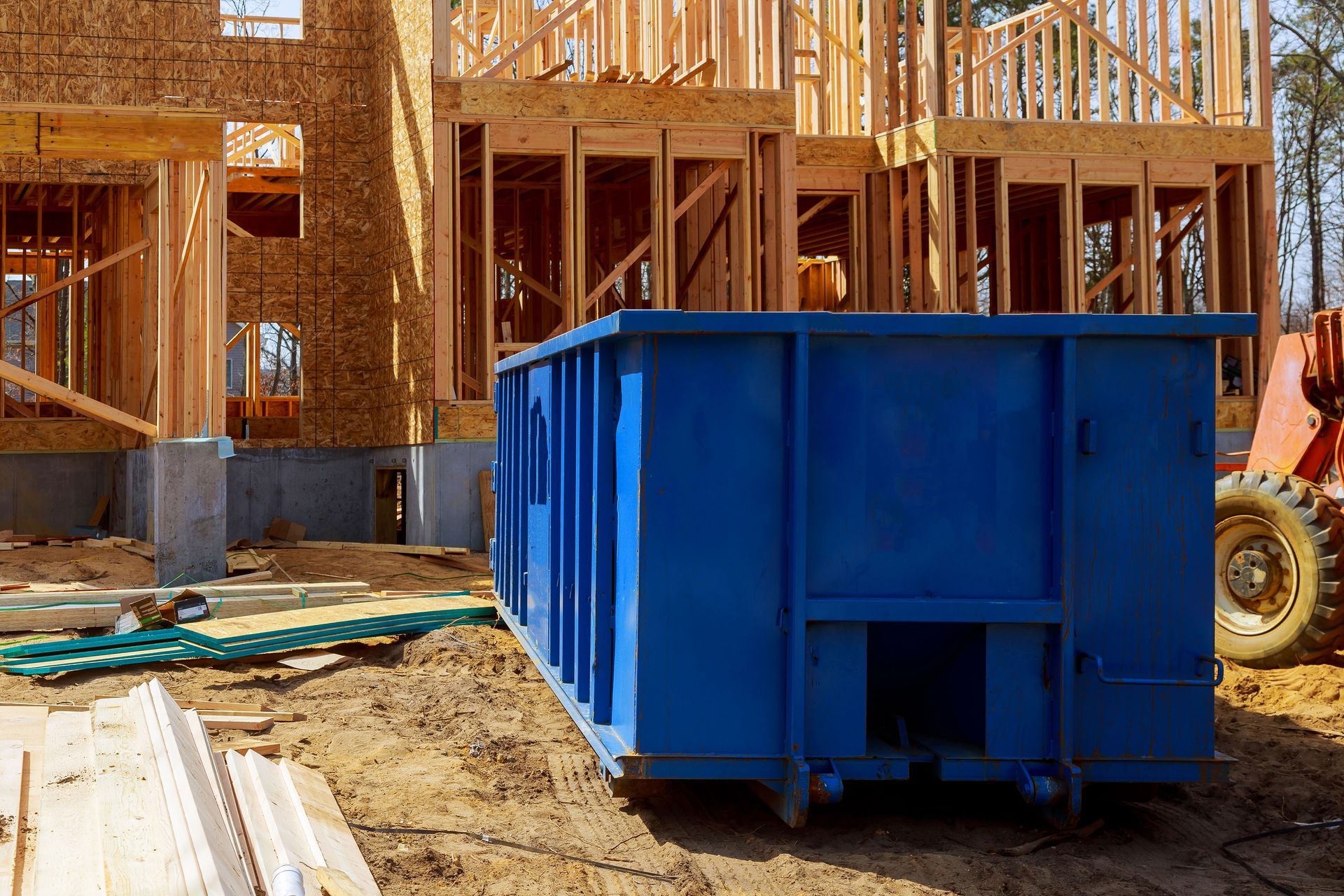
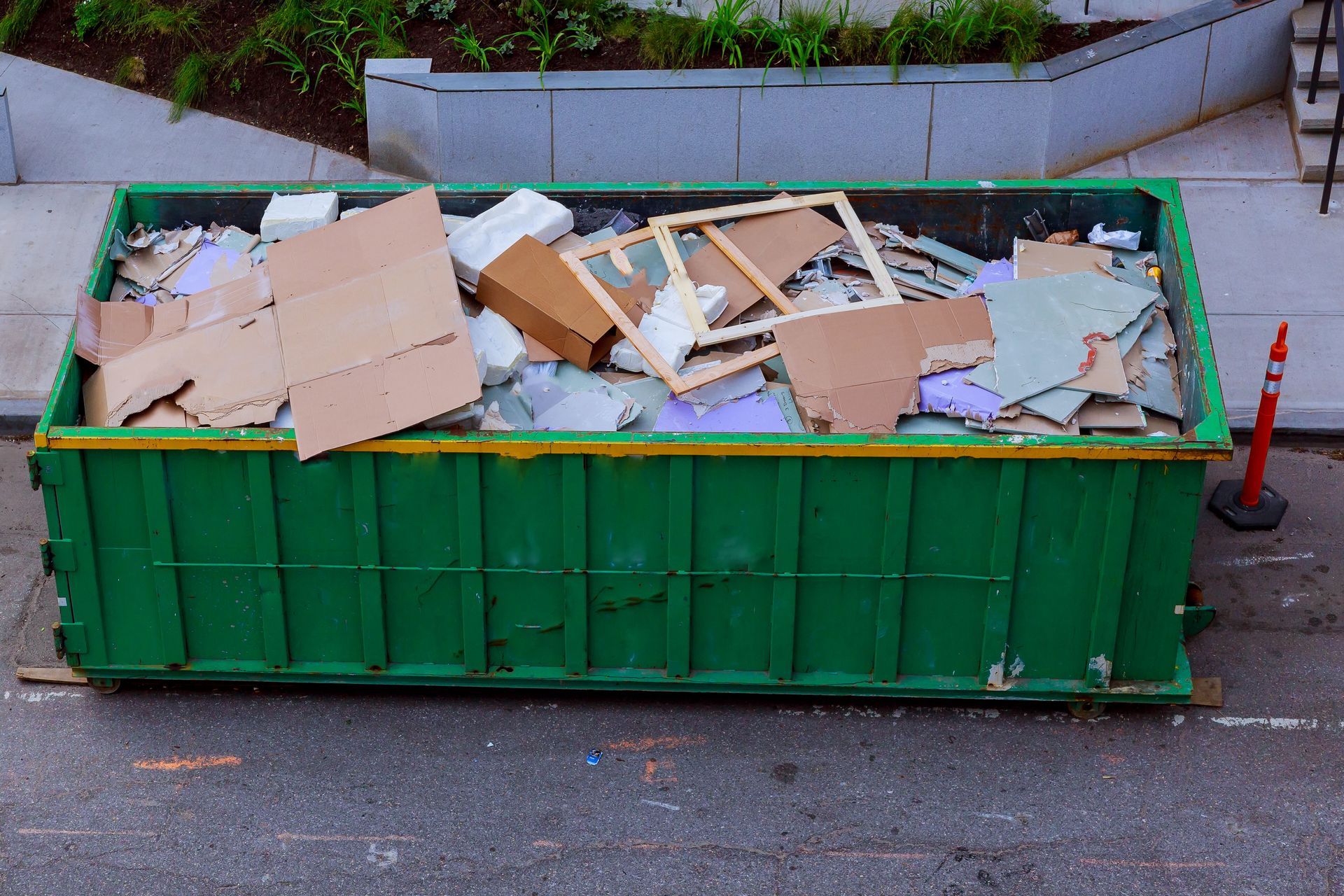
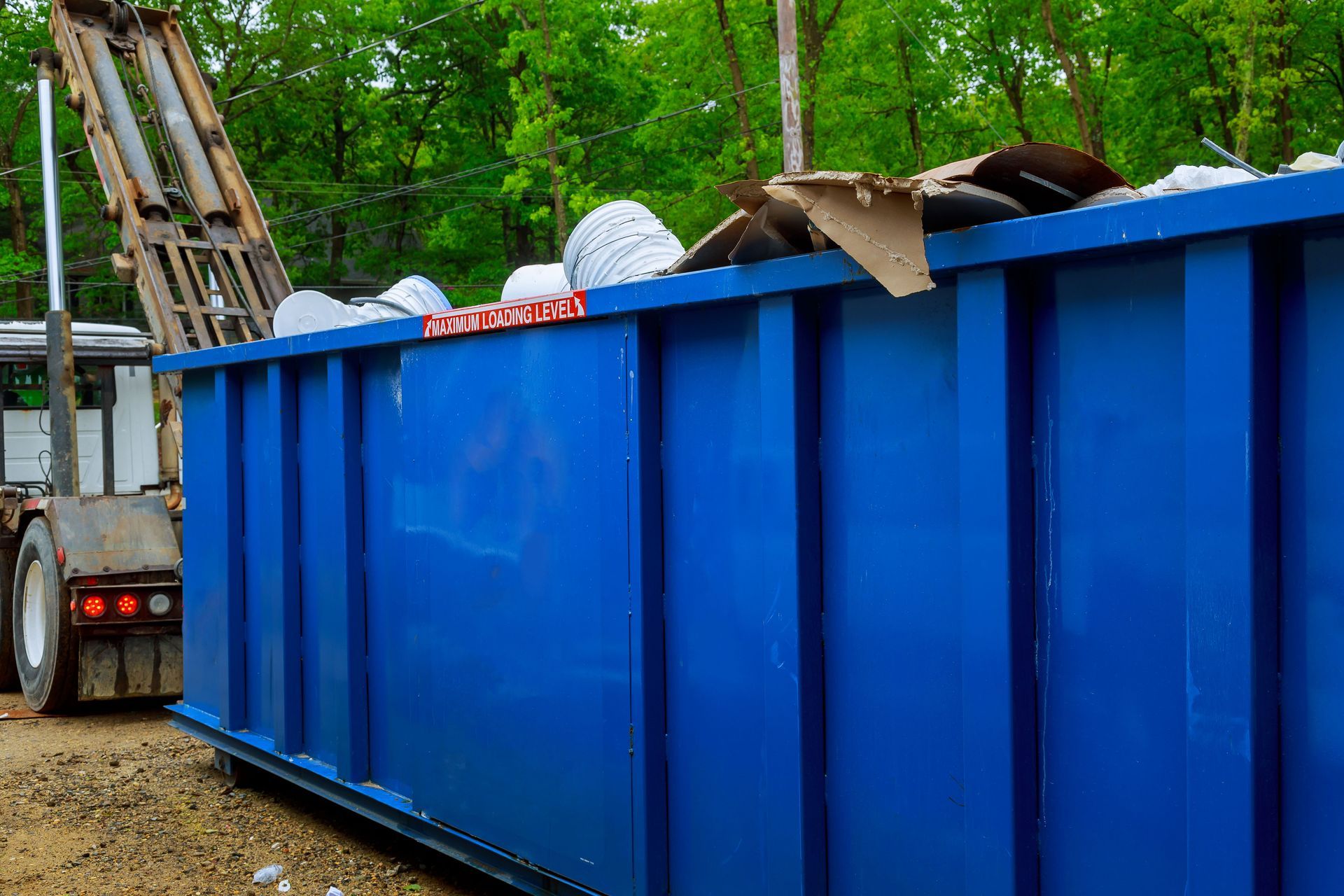
Dumpsters offers a flexible method for handling large volumes of waste that cannot be managed with standard trash collection. The service provides temporary containers, often placed on your property or a designated location, to collect debris from construction, renovation, or community projects. Roll-off dumpsters, which feature an open-top design, are particularly popular due to their convenience; they can be delivered directly to a site and removed when full, minimizing the need for manual transportation. By familiarizing yourself with these basic features, you can approach your cleanup project with confidence and structure.
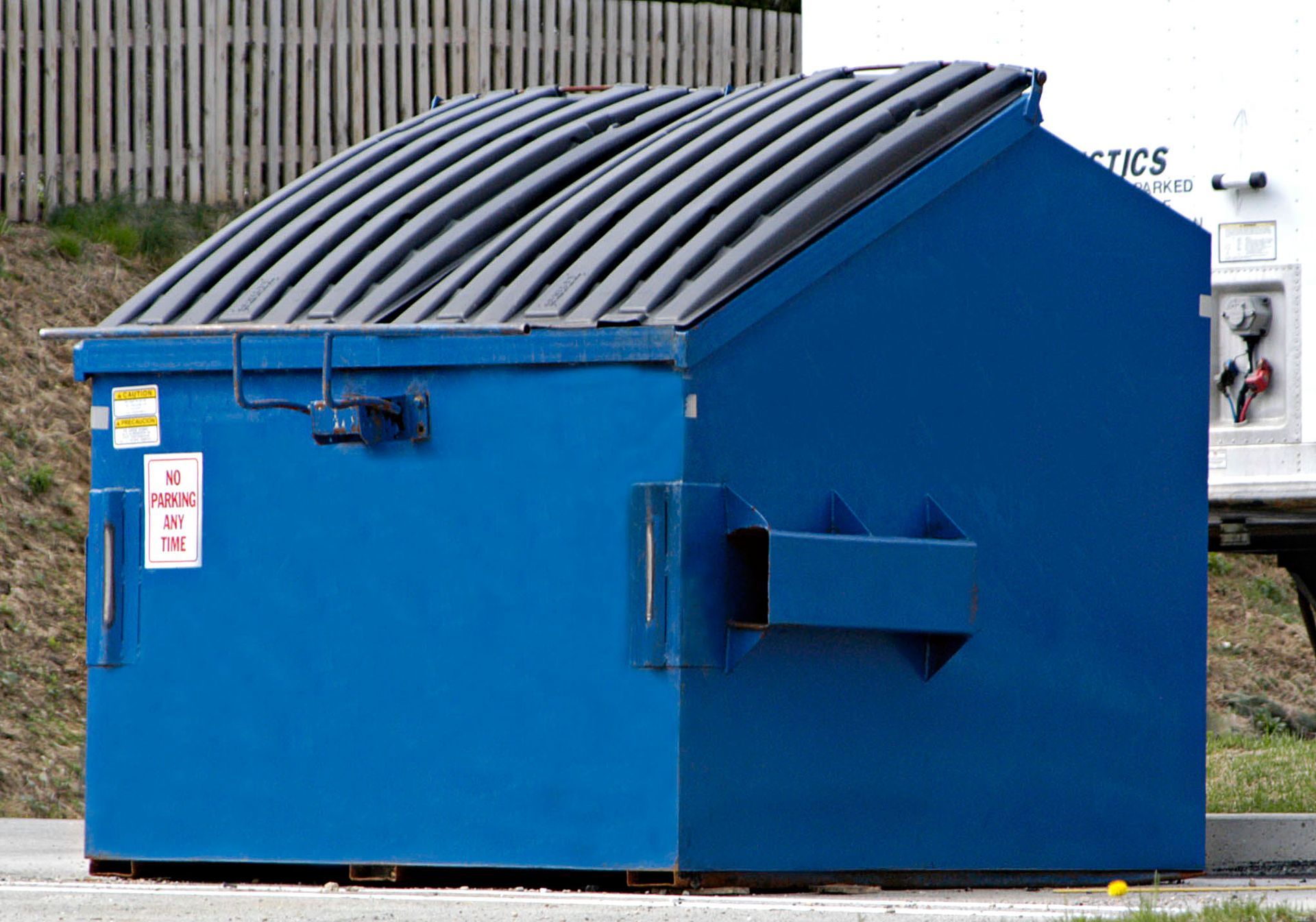
There are multiple dumpster types available, tailored to different needs. Common sizes range from 10 to 40 cubic yards, with smaller options suitable for minor home decluttering and larger containers designed for substantial renovations or demolition projects. Different styles, including front-load and rear-load dumpsters, cater to accessibility and pickup frequency. Selecting the correct type ensures that the container meets your project demands without causing logistical challenges or unnecessary costs.
Dumpster rental applies to a broad spectrum of scenarios, from residential home improvements to large-scale construction projects. Homeowners often utilize dumpsters during kitchen remodels, basement cleanouts, or landscaping projects where debris can accumulate quickly. Commercial enterprises use dumpsters for events, office renovations, or retail cleanups, while construction sites rely on them to maintain organized and safe work areas. Across all these applications, the key is choosing the appropriate container type and size for the specific volume and nature of waste, ensuring efficiency throughout the project.
Determining the Right Size for Your Needs
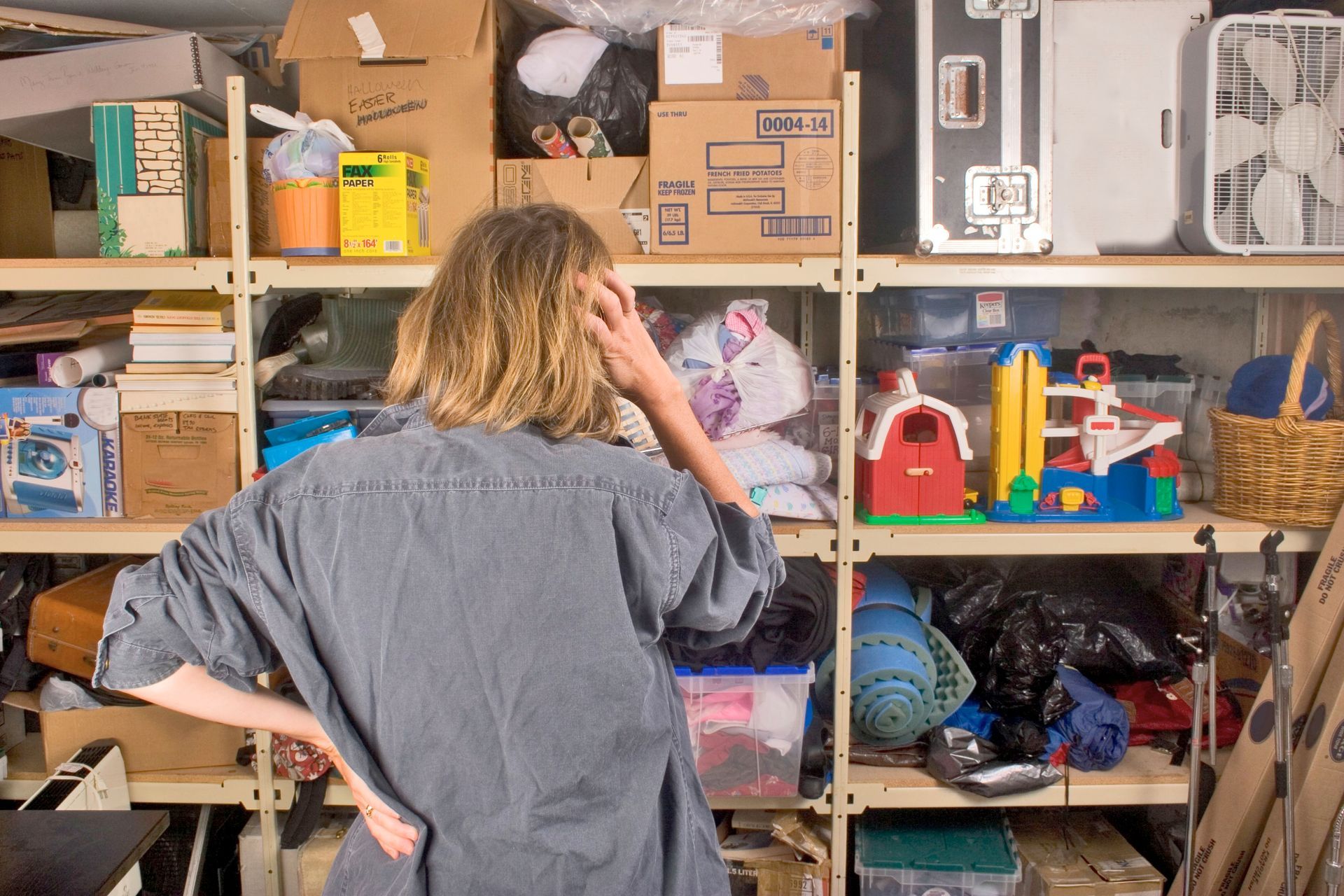
Selecting the correct dumpster size is critical for optimizing both cost and convenience. Estimating the total volume of debris allows you to avoid overpaying for unused space or underestimating needs, which can result in multiple pickups or overflow. Consider the type of materials, the square footage of the project, and the expected amount of waste. By carefully assessing these factors, you can make a more informed decision and reduce stress during the disposal process when removing larger items from the space.
Common sizes include 10, 20, 30, and 40 cubic yards, each catering to different project scopes. A 10-yard container might suffice for garage cleanouts or minor renovations, while a 40-yard dumpster is designed for substantial demolition or construction projects. Selecting the appropriate size ensures cost efficiency, prevents clutter, and streamlines the removal process. Many rental providers also offer online tools or guidance to help estimate the ideal container size, making planning more straightforward and accurate.
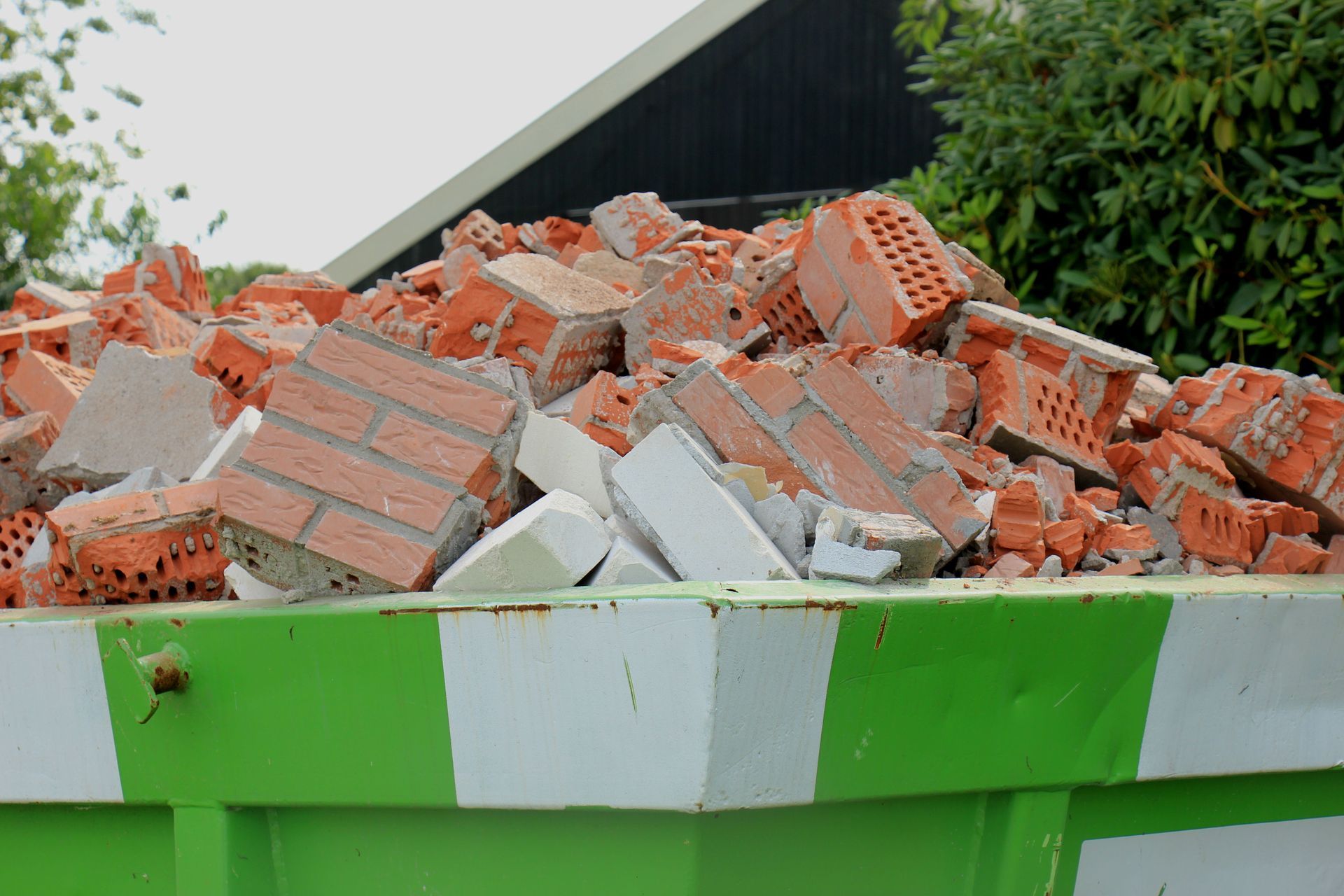
Weight considerations are another important factor when choosing a dumpster. Overweight loads can result in additional fees that quickly increase the overall expense. To avoid this, refrain from mixing particularly heavy materials such as soil, concrete, or bricks with lighter household debris. Discussing weight limits with your rental service and planning the distribution of materials can help maintain balance and prevent costly surprises. Proper planning ensures that your dumpster rental is both economical and practical. Reach out to American Pride Dumpster Rentals today to schedule a dumpster for your next large-scale project.
Regulations and Restrictions to Consider
Local laws and ordinances play a significant role in dumpster placement and usage. Depending on your municipality, permits may be required if a dumpster is positioned on public property, such as streets or sidewalks. Violating these regulations can result in fines or forced removal, making it essential to research local requirements before scheduling your rental. Contacting the city or waste management authority provides guidance on proper placement and legal considerations.
Certain waste types are restricted in dumpsters, requiring alternative disposal methods. Hazardous materials like chemicals, paints, or batteries pose safety and environmental risks and are typically prohibited. Similarly, electronics and e-waste often cannot be included due to legal restrictions on hazardous components. Checking with your rental service for guidelines on prohibited items ensures safe and compliant disposal practices, protecting both the environment and your project site.
Proper placement and accessibility are also key to a successful rental experience. Dumpsters need stable, level surfaces and sufficient room for delivery trucks to operate safely. If placing a container on the street, additional municipal approval may be necessary. Planning for these prevent property damage and ensures the rental service can operate efficiently throughout your project.
Dumpster rental is not always the most convenient option for every project. Alternative services like junk removal offer professional collection for smaller quantities or items that are difficult to transport. Composting provides an environmentally friendly solution for organic waste, while recycling initiatives can divert materials like cardboard, metals, and plastics from standard disposal. Evaluating these alternatives helps you choose the right combination of methods for your unique needs.
Specialized disposal services handle materials that require specific management, such as electronics or hazardous substances. Using these services alongside traditional dumpster rental can create a comprehensive and environmentally responsible waste management plan, reducing overall impact.
Integrating recycling practices into your project not only benefits the environment but may also reduce dumpster rental needs. According to Dumpster.com, the U.S. produces around 268 million tons of trash annually. Separating recyclables before disposal keeps items out of the dumpster and landfills, contributing to sustainability and lowering costs. Many communities provide curbside recycling or drop-off centers, making participation accessible and straightforward. Recycling enhances waste management efforts while promoting responsible environmental stewardship.
Dumpster rental provides an effective solution for managing waste from projects of all sizes, offering convenience, efficiency, and organization. By understanding container options, selecting the right size, managing costs, adhering to regulations, and implementing efficient usage strategies, you can make your cleanup project more manageable and less stressful. Incorporating recycling and specialized disposal services into projects can further strengthen the environmental impact of your efforts, ensuring debris is handled responsibly.
Thoughtful planning and a clear understanding of your waste management options make dumpster rental a practical choice for homeowners, businesses, and construction sites alike. Whether tackling a renovation, large-scale cleanout, or community project, adopting smart strategies reduces cost and maximizes efficiency. Take the next step toward a cleaner, more organized space by scheduling your
dumpster rental today and creating a streamlined, effective cleanup experience.